Meme Static
- Format
- Static
- Category
- Native & UI Mimicry
- Stage
- TOF
- Requires
- A truth your audience already jokes about
What is it
The ad built on a meme format the feed already knows by heart: the two-panel reject/approve, the three-panel self-sabotage, the "nobody / me" setup. Because the viewer recognises the template instantly, they understand the joke's structure before reading a word, and the brand only has to supply the punchline. It performs because it looks like content people share with friends rather than an ad, and when it lands, it gets tagged, saved and sent on.
What makes it work
Use a format your audience already knows
The whole mechanism is recognition. A template people have seen a hundred times can be read in half a second; an obscure one needs explaining, and a meme that needs explaining is just an odd image. Pick the classics your audience actually shares.
The joke has to be true first, funny second
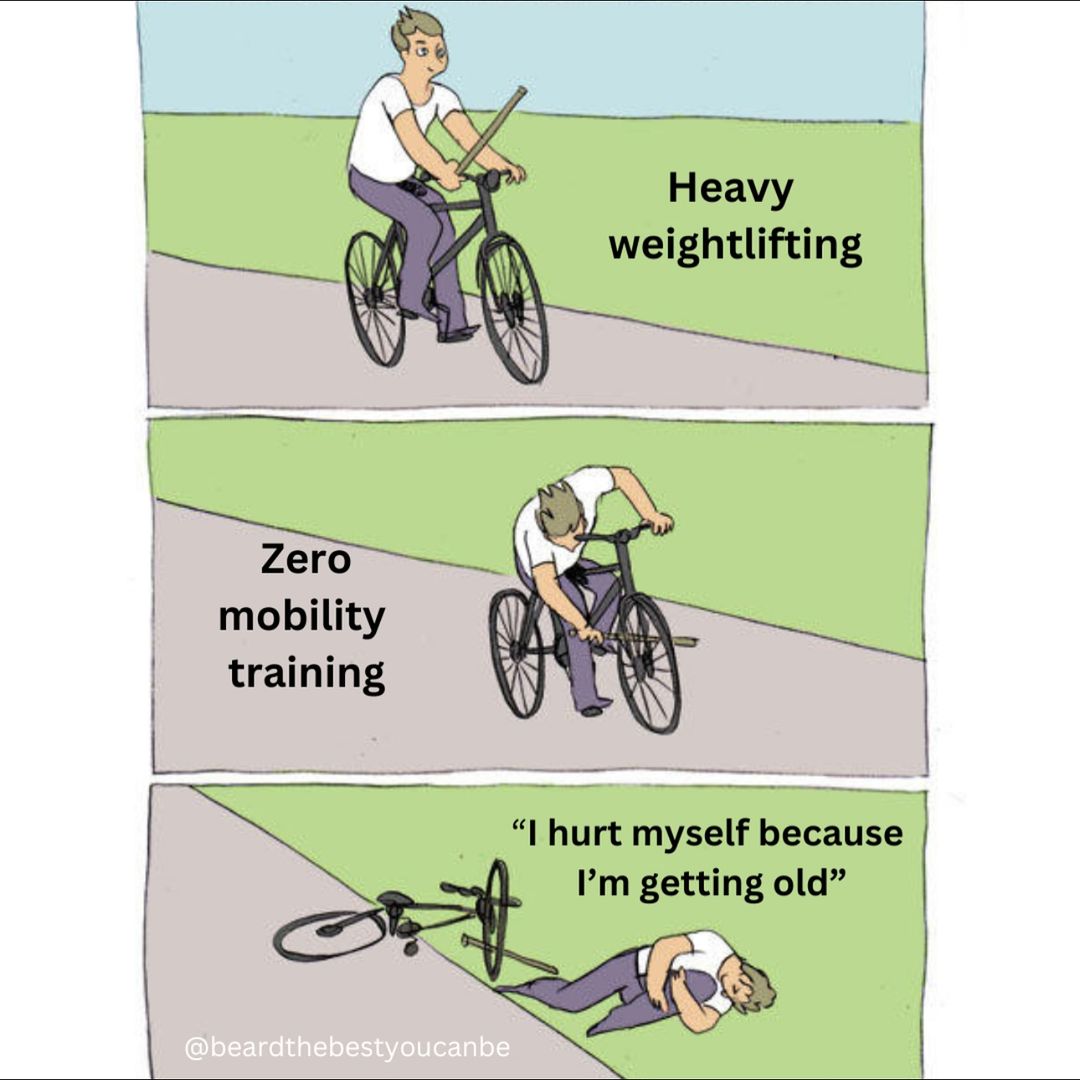
The best meme ads name a real behaviour: skipping mobility work and blaming age, buying the generic version of something. The viewer laughs because they recognise themselves. A joke that's clever but not true to the audience gets a scroll-past, not a share.
The product is the punchline or the fix, never the setup
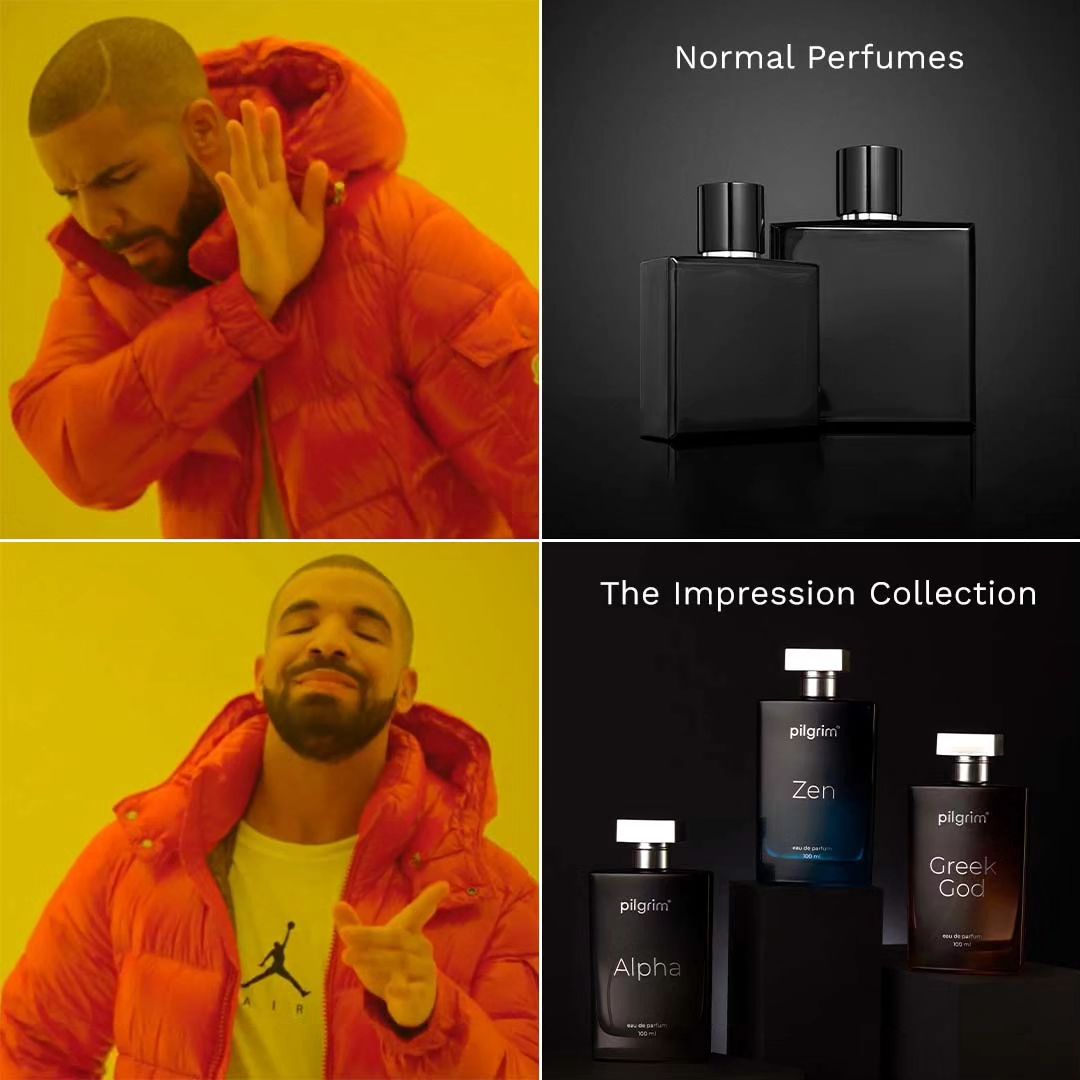
In the approve/reject format, the product sits in the approved panel. In the self-sabotage format, the brand is the implied solution to the mistake being shown. If the product appears in the setup, the structure breaks.
Keep the template's native look
Plain sans-serif labels, simple panel borders, low-fi feel. Polishing a meme with brand typography, gradients and a logo lockup is the fastest way to make it look like an ad pretending to be a meme. A small handle in the corner is enough branding.
Recreate the template, don't paste the original
Many famous meme templates are frames from music videos, films or comics by specific artists, and they show real, recognisable people. Using those in paid ads implies endorsement and brings image-rights and copyright exposure, especially when the face belongs to a celebrity. Re-shoot or redraw the setup with your own model or an original illustration in the same composition. The format is what people recognise, not the specific face.
Match the meme to the stage of awareness
Self-sabotage and "we've all been there" formats work at the very top of the funnel, because they name the problem. Approve/reject formats work slightly further down, because they assume the viewer is already choosing between options.
Rotate fast
Meme ads fatigue quickly because the joke is spent after the first view. Plan them as a series of variants on the same template with different jokes, rather than scaling one creative.
Reference 1
AI Edit Master Prompt
Using the attached image as the layout reference: keep the three stacked horizontal comic panels on a white background with thin black borders and narrow white gutters, drawn in a simple flat-coloured cartoon style with clean black outlines — light blue sky, flat green grass and a grey diagonal path. In the top panel a single original cartoon character rides a bicycle along the path holding a stick, looking confident. In the middle panel the same character leans down and pushes the stick into the front wheel. In the bottom panel the bicycle lies crashed on the path and the character lies curled up on the grass, holding their knee. Keep a short bold black sans-serif label beside the character in each panel, the bottom one in quotation marks, and a small white handle in the lower-left corner. Design the character as an original figure, not a copy of an existing drawing. Set the top label to "{THE RISKY HABIT}", the middle label to "{THE THING THEY SKIP}", the bottom label to "{THE EXCUSE THEY MAKE}", and the handle to "{YOUR HANDLE}".Reference 2
AI Edit Master Prompt
Using the attached image as the layout reference: keep the two-by-two grid with thin white dividers. In the left column keep two photographs of the same person against a flat saturated yellow background, wearing a bright puffer jacket: in the top frame they turn their head away with a hand raised in refusal and a disapproving expression, and in the bottom frame they face forward, smiling with eyes closed, pointing approvingly toward the right. Cast an original model rather than any recognisable public figure. In the right column keep two dark studio product shots with dramatic low-key lighting and a reflective black surface: the top one showing plain, unbranded generic items of the category with a small centred white label above, and the bottom one showing the product range arranged on dark plinths with a matching label above. Replace the bottom products with {YOUR PRODUCT RANGE}. Set the top label to "{THE GENERIC ALTERNATIVE}" and the bottom label to "{YOUR PRODUCT OR COLLECTION NAME}".