Myth / Fact
- Format
- Static, Carousel, Video
- Category
- Objection Handling
- Stage
- MOF, BOF
- Requires
- A fact you can cite
What is it
A common belief about the product, category or brand, stated plainly and then corrected. The myth gets marked as wrong, whether struck through, labelled "Myth!" or set in a quote bubble, and the fact sits next to it as the answer. It works because it names the objection before the viewer has to raise it, and a stated belief being corrected feels like new information rather than a sales pitch. For hesitant buyers, it's often the last push they need.
What makes it work
The myth must be something people really believe
"It hurts." "It's bad for the local industry." "Nobody supports this." The viewer should think "wait, I thought that too." A myth nobody holds is a strawman, and the correction reads as the brand arguing with itself.
State the myth in the believer's own words
Short, blunt, a bit emotional: "Lumi HURTS 🥵." Phrased the way someone would actually say it, not a softened marketing version. The recognition is what makes the reader keep going to the answer.
The fact has to be specific and checkable
A number, a mechanism, a feature: "77,000 drivers," "6 intensity levels," "73%." Vague reassurance ("it's actually gentle!") doesn't overturn a belief. Include the source in the primary text or a footnote, especially for statistics.
Pick one visual device for "wrong" and one for "right"
Strikethrough and highlight. Red label and green tick. Grey panel and colour panel. Quote bubble and big number. The pair should be readable at thumbnail size, so the viewer knows which side to trust before reading.
The fact gets more space and more weight
The myth is short; the fact can be longer, but it should also be visually stronger: bold figure, colour block, highlight. The frame should feel like the argument has already been won.
Carousel is the natural home
One myth per card, three to five cards, with the same layout repeated. It lets you handle several objections in one ad, and each swipe resolves one loop and opens the next.
Advocacy versions follow different rules
When the "myth" is about a public policy, industry or social issue, as in the first and third examples, Meta treats the ad as a social-issue ad: it needs an authorised advertiser, a "Paid for by" disclaimer, and it lands in the ad library. Plan for that before you build it.
Reference 1
AI Edit Master Prompt
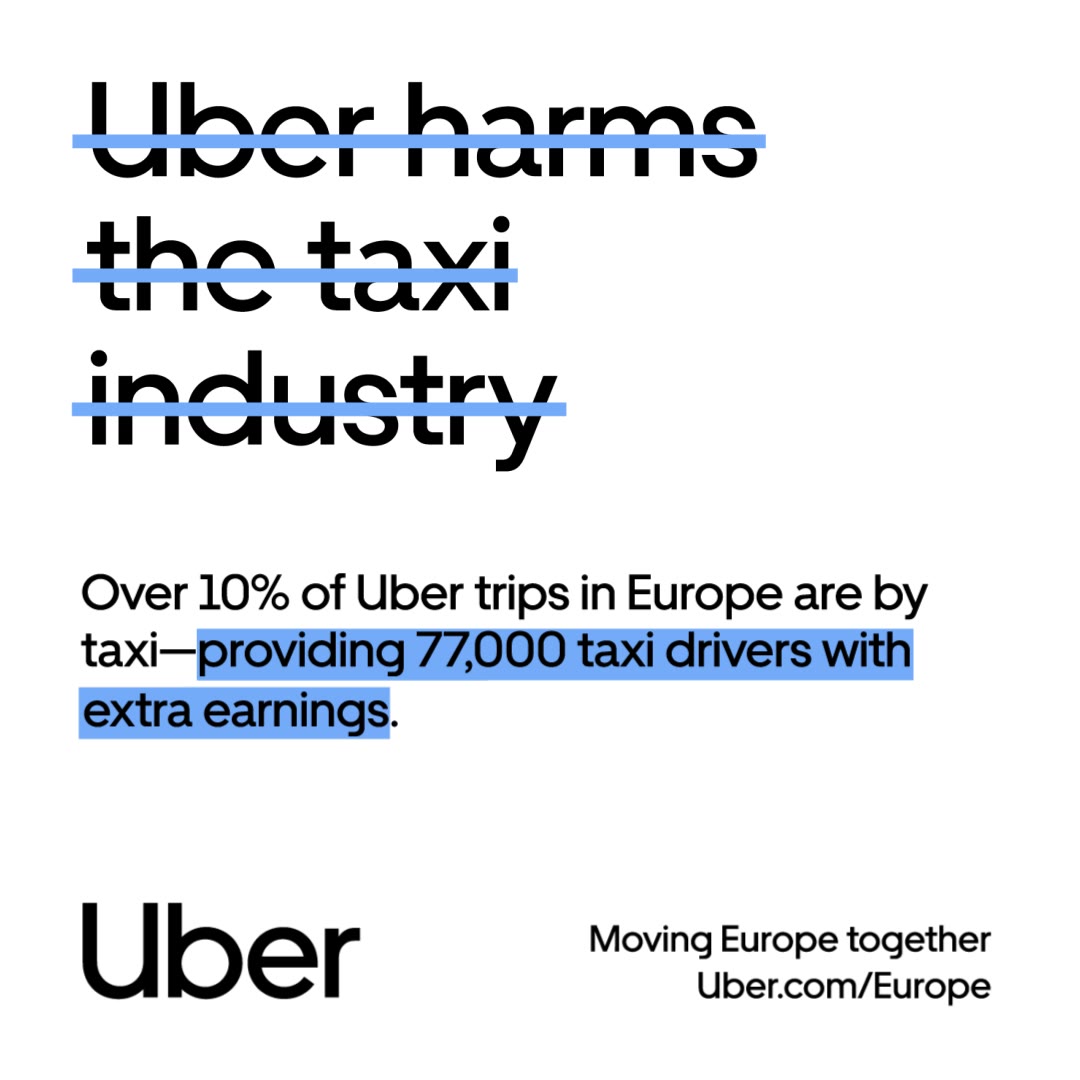
Using the attached image as the layout reference: keep the plain white background and a very large black geometric sans-serif statement on three left-aligned lines in the upper half, each line struck through with a thick horizontal rule in a soft accent colour. Beneath it keep a smaller black sans-serif paragraph on three lines, left-aligned, with its second half highlighted by solid accent-colour blocks behind the text like a highlighter. At the bottom keep a large black wordmark on the left and a two-line tagline and web address right-aligned on the right. Set the struck statement to "{THE MYTH}", the paragraph to "{THE CONTEXT} {THE FACT}" with {THE FACT} highlighted, the wordmark to "{YOUR BRAND}", and the tagline to "{YOUR TAGLINE}" and "{YOUR URL}".Reference 2
AI Edit Master Prompt
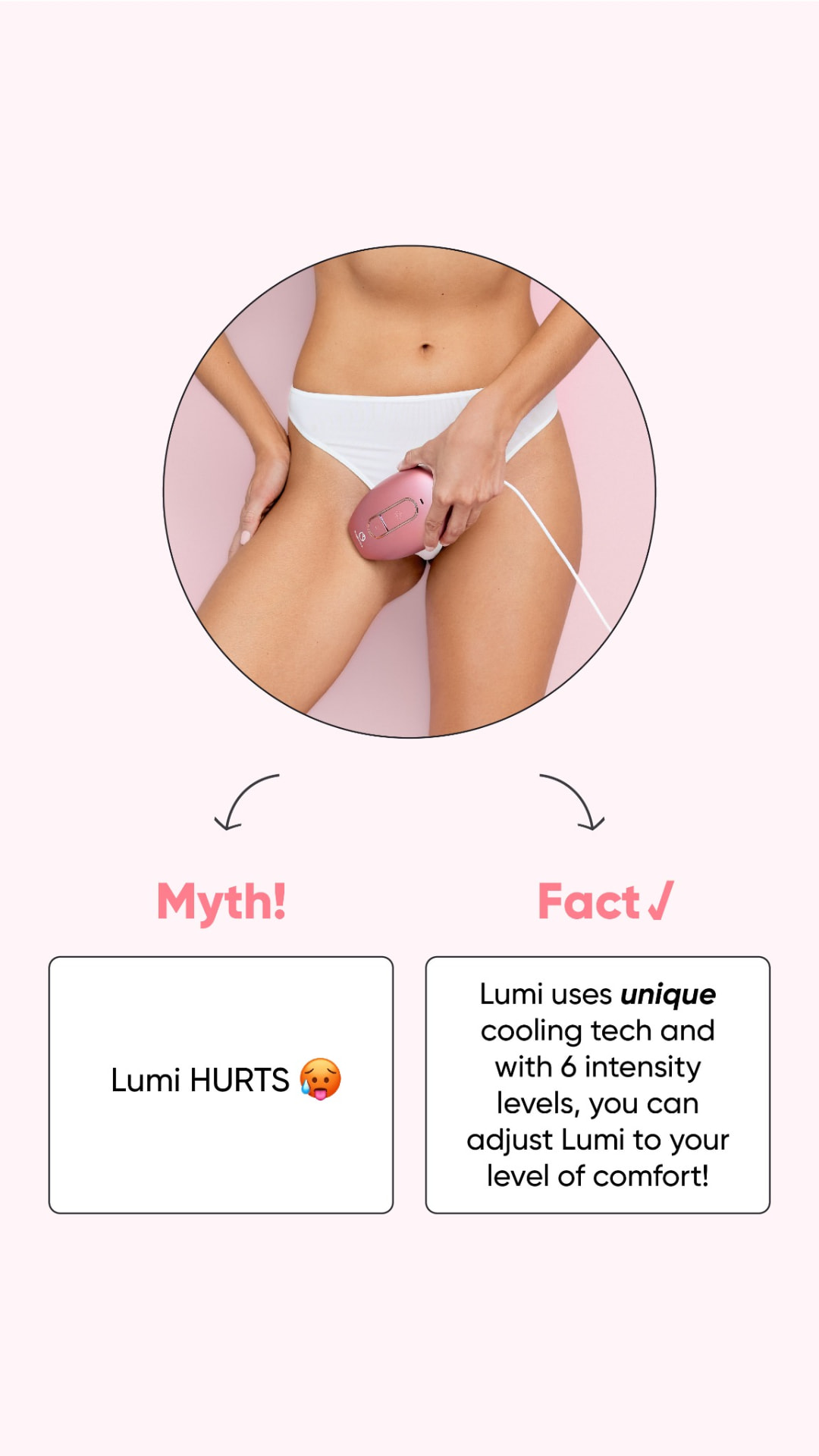
Using the attached image as the layout reference: keep the soft pale pastel background, a large circular photograph with a thin dark outline in the upper half showing the product being used in a clean studio setting, and beneath it two curved hand-drawn arrows pointing down-left and down-right. Under each arrow keep a bold rounded label in the accent colour, the left one ending in an exclamation mark and the right one followed by a tick, and beneath each label a white rounded rectangle with a thin dark border. The left box holds a short centred line in regular weight ending in an emoji, and the right box holds a longer centred explanation with one word in bold italic. Replace the product photo with {YOUR PRODUCT IN USE}. Set the labels to "{MYTH WORD}" and "{FACT WORD}", the left box to "{THE MYTH}" with "{AN EMOJI}", and the right box to "{THE FACT}" with "{THE EMPHASISED WORD}" in bold italic.Reference 3
AI Edit Master Prompt
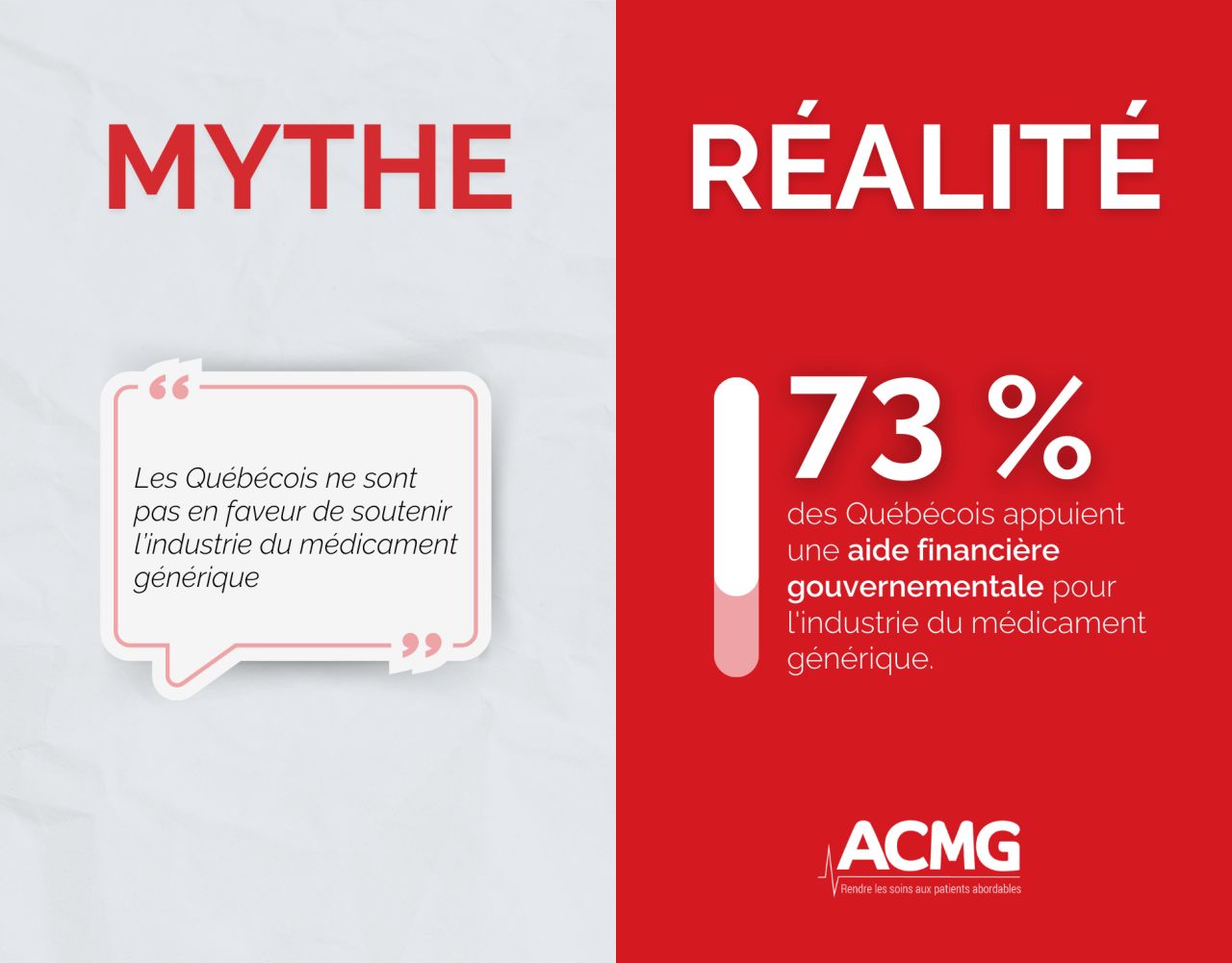
Using the attached image as the layout reference: keep the horizontal frame split vertically into two equal halves — a pale grey crumpled-paper texture on the left and a solid bold accent colour on the right. At the top of each half keep a very large heavy all-caps label, in the accent colour on the left and in white on the right. On the left keep a white speech-bubble card with a soft shadow, a thin coloured inner border and large quotation marks at the top left and bottom right, holding a short italic statement. On the right keep a very large bold figure in white with a rounded vertical progress bar beside it, partly filled, and beneath the figure a short paragraph in white with a few words in bold, and the logo with a small tagline centred at the bottom. Set the labels to "{MYTH WORD}" and "{FACT WORD}", the speech bubble to "{THE MYTH}", the figure to "{THE KEY STATISTIC}", the paragraph to "{WHAT THE STATISTIC SHOWS}" with "{THE BOLD PHRASE}" in bold, and the logo to "{YOUR LOGO AND TAGLINE}".Reference 4
AI Edit Master Prompt
Produce an 18s vertical 9:16 talking-head ad for {CATEGORY}.

Generate the following sequence:

The Introduction: A steady medium shot of {A SPEAKER} looking directly at the camera in {A SETTING}.

The Body: Continuous shot as they debunk {THE MYTH}, explaining {THE FACT WITH SPECIFIC FIGURES}.

The Final Look: A clear call-to-action asking viewers to comment with questions and share the video.

Assemble: A clean, minimal-cut edit focused entirely on delivering authoritative advice.

Text Overlay: Dynamic, bold captions in {ACCENT COLOUR} and white tracking the speech throughout the entire video.

Audio: The speaker's clear voiceover. No background music.

End Card: Concludes naturally on the final spoken request to share the video.
Reference 5
AI Edit Master Prompt
Produce a 31s vertical 9:16 selfie-style educational ad for {PRODUCT}.

Generate the following sequence:

The Introduction: A close-up selfie-style POV of {A SPEAKER} addressing {A COMMON MYTH} about how {PRODUCT} works.

The Demonstration: Quick jump cuts as they bring {THE PACKAGING OR DEMO PROP} into frame and hold up {PRODUCT} to the camera.

The Final Look: A steady shot of them holding {PRODUCT} next to their face, confirming {THE FACT WITH THE SPECIFIC FIGURE}.

Assemble: Fast-paced jump cuts focusing on energetic delivery and clear close-ups of the small product to maintain engagement.

Text Overlay: A static banner at the top reading "{MYTH OR FACT QUESTION}" visible throughout the video.

Audio: The speaker's direct, conversational voiceover.

End Card: Concludes naturally on the final shot of them holding {PRODUCT} and smiling.